
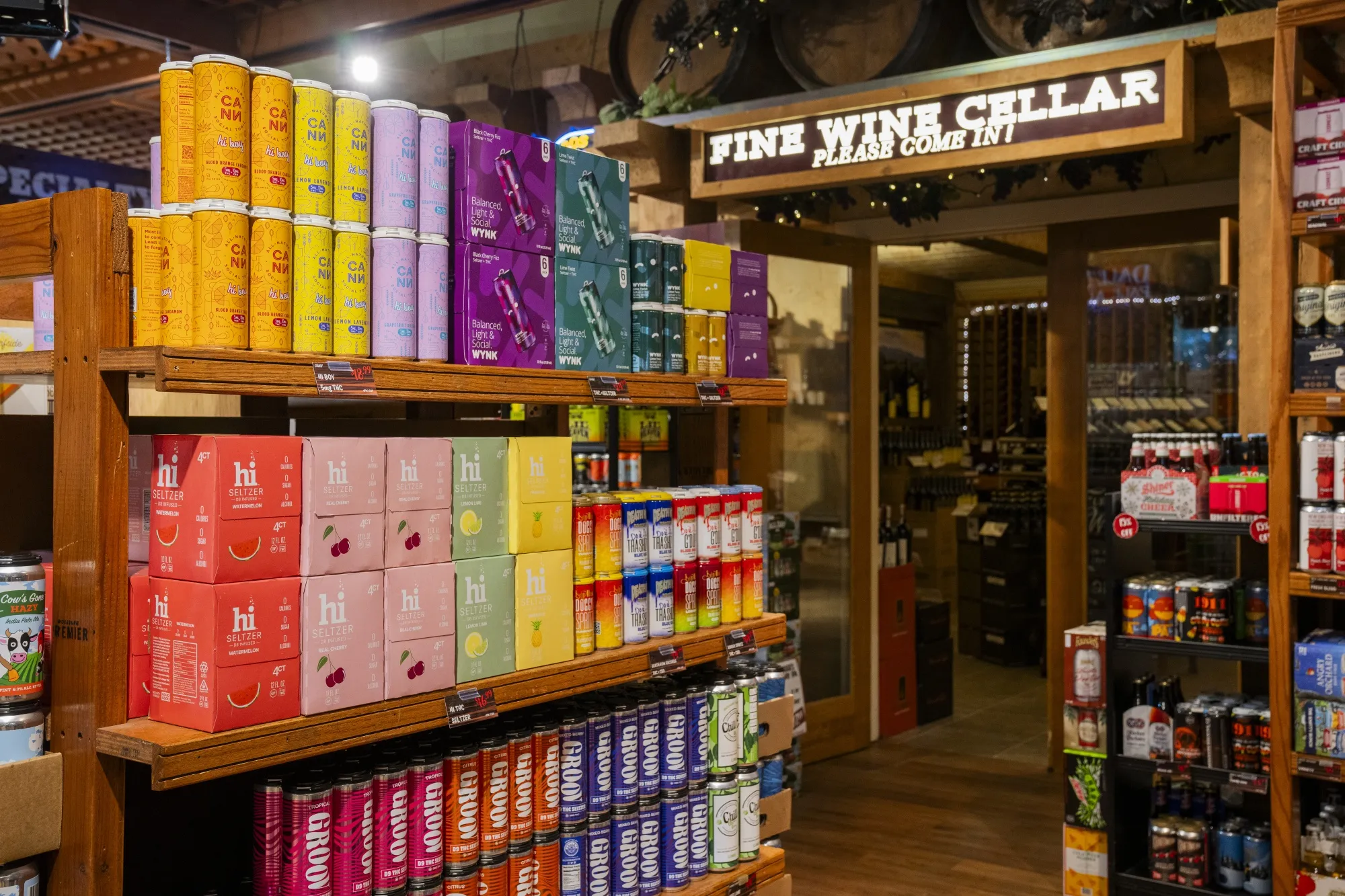
In THC beverages, it is easy to chase doors and forget the math. You get a new retailer, print more labels, run a promo, and a month later the bank account looks the same. If you want to scale without burning cash, treat pricing as a product decision, not an afterthought. Your price architecture, pack sizes, and promo rules should make it hard to lose money and easy to say yes to the next purchase order.
This is a practical guide to a cannabis beverage pricing strategy that protects margin while you grow. You will leave with a simple way to calculate your floor, a structure for packs and price tiers, guardrails for promotions, and the terms that keep you safe when volume ramps.
Start with margin math you can defend
Build a one-page model and keep it current. List landed COGS per unit that includes ingredients, packaging, co-pack fees, freight to your warehouse, and expected spoilage or write-offs. Add selling costs you cannot avoid, like trade spend commitments or placement fees. Decide on a gross margin target that fits your stage. If you are early and capital is tight, you need a higher product margin to fund growth activities. If you have funding and are buying velocity, be honest about how long you can carry lower contribution.
From there, set your wholesale price. Use the retailer’s typical margin to back into SRP scenarios. Most buyers will want to see how your product hits the set with comparable margins to adjacent categories. Show SRP at good, better, best and what the retailer makes at each. That transparency builds trust and makes it easier to get placement.
Design pack sizes and price architecture on purpose
Flavors get attention. Pack sizes move dollars. Pick a primary pack that turns most frequently and a second pack that raises basket size without confusing the shelf. Singles win trial and events. Four packs trade up once customers understand dose and occasion. Twelve packs are a warehouse decision with real cash implications. If you introduce a larger pack, do it in markets where repeat is proven and retailers have asked for it. Keep pack count changes rare so your SKU map does not explode.
Price architecture should match how people actually drink. If your 2.5 mg single is priced to encourage weekday trial, your 5 mg four pack should reflect a modest discount per unit that rewards repeat without destroying per unit margin. Avoid price cliffs that make smaller packs feel silly. When you run bundles, align them to occasions rather than flavors so you can rotate without rebuilding displays.
Set promo guardrails before you need them
Promotions feel exciting and often leak profit. Decide your rules now. Define the narrow set of promo types you will run, the minimum duration, and the cap on frequency per retailer per quarter. If you discount, set a walk-away floor that still covers COGS and a portion of trade support. Time promos to align with tastings, menu placement, or seasonal peaks so lift can become sustained velocity. Give each activation unique QR codes and links so you can compare two weeks before, during, and two weeks after. If lift vanishes when the sign comes down, fix merchandising and education first.
When you do not discount on price, use non-price levers. Secondary placement for a week. Occasion messaging on a cooler strip. A “discover microdose” education card. These tools pull shoppers without teaching them to wait for deals.
Negotiate retailer terms that protect cash
You will not scale if cash is always stuck in the channel. Keep terms simple and predictable. Push for payment windows that match your production and freight cycles. If early pay is on the table, offer a small discount only when cash flow needs it and document it as a short-term agreement. Set clear expectations on returns, damaged goods, and resets. If a buyer wants guaranteed sale, counter with a limited window tied to a mutually agreed launch plan and weekly check-ins during the first month.
Menu and marketplace fees add up. Ask which line items are mandatory and which are negotiable. If a platform bundles paid visibility with listing, calculate the effective CPM and decide if you can get the same or better pull through with creator content, retail media, or on-site tastings. Put every recurring fee in your margin model. Surprises kill plans.
Use scenario planning to stay sane
There is no single right price. There are price bands that keep you safe under different costs and market conditions. Run three scenarios and update them monthly. In the base case, COGS and freight match your plan, promos hit the expected cadence, and velocity holds. In the upside case, higher velocity lets you negotiate down freight or co-pack rates and you test a slightly higher SRP in a few stores. In the downside case, ingredient costs rise or a competitor undercuts you. Decide in advance how you will respond. Will you hold SRP and reduce non-working spend. Will you shrink pack size in the next print run. Will you pause a low-performing flavor to protect cash. Writing the answers now prevents panic later.
Keep the finance view tied to retail reality
A clean dashboard beats a dozen sheets. Track gross margin percent by SKU and by market, promo spend as a percent of sales, units per store per week, and reorder intervals. Put locator clicks, directions, and calls next to those numbers so you can show how marketing supports movement at the shelf. Review the data weekly with trade and monthly with finance. If a promo raised velocity without crushing margin, repeat it. If a pack size stopped turning, simplify. If a flavor wins only with a deep discount, either fix the story or retire it.
A month one plan you can ship
Build the margin model and agree on the target. Confirm COGS with your partners and lock in freight estimates for the next quarter. Publish your promo rules and put them in a one-pager for reps and accounts. Choose your primary and secondary packs and remove anything that confuses the set. Reprice only if the model or market requires it, and give retailers a clear explanation with a date and updated assets. In parallel, pick a metro and run one measurable activation that you can analyze in two weeks. Use the findings to refine your rules and your price architecture before you roll to the next market.
Scaling a beverage line is more operations than magic. When the math is honest, packs are simple, and promos are disciplined, cash grows with doors instead of disappearing into them. That is how you protect margin while you build a brand worth keeping.If you want help pressure testing your model or building a one-page calculator you can share with buyers and your team, start a conversation. We can share a Pricing and Margin Calculator you can customize to your SKUs, costs, and markets.