
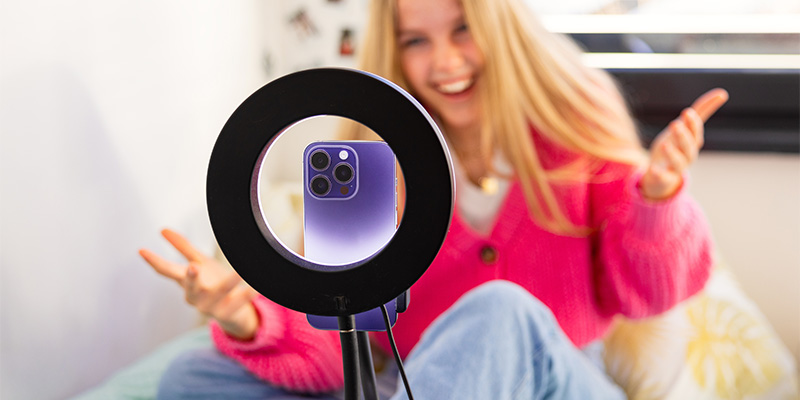
Creator programs can move the needle for THC beverage brands, but only when they respect the rules and focus on outcomes. You want content that a retailer can show a budtender without flinching and a buyer can open on their phone during a meeting. That means clear disclosures, age safeguards, tight briefs, and a simple way to test what works. This guide lays out a practical approach you can run now, even if you are sorting out state rules and platform policies.
Start with compliance you can repeat
Think of compliance as your production checklist. Get it right once and reuse it for every creator and every edit.
Write disclosures in plain language and keep them visible. If a post is sponsored or a product was gifted, say it clearly at the start of the caption and on screen in video. Confirm age restrictions with a documented process. Ask for government ID through a vetted verification service or a platform feature where available. Store the verification and date in your creator record.
Limit claims to safe, approved language. Describe experience and flavors. Do not drift into medical territory. Keep dosage guidance factual and consistent with your packaging. Add required disclaimers per state. When in doubt, default to the strictest market you serve and let legal sign off before anything goes live.
Respect platform rules and geography. Some placements and tools will be off the table in certain states. Keep a one page sheet per platform with what is allowed, what is gray, and who approved the last round. Update it monthly.
Write a brief creators actually want to follow
Creators are more likely to deliver on brand when the brief helps them make a good piece. Keep it short and specific. Share a simple story arc and a few lines you must or must not use.
A strong brief answers five questions. Who is this for. What is the product and dose. When should someone drink it. What is the one message that matters. What should viewers do next. Give creators three suggested hooks to open the video or the first line of a caption. Hooks work best when they sound like a person, not a slogan. Example openings: “Here is how a 2.5 mg drink feels after work” or “This is my weekend swap when friends want a lighter option.”
Provide asset references and dimensions. If you need a vertical video with product close up and pour shot, say so. If you need a still with readable label and flavor, show an example. Share a compliance checklist at the end of the brief so nothing is missed.
Secure UGC rights and plan for whitelisting only where permitted
User generated content keeps performing long after a post date if you can reuse it. Ask for paid usage rights up front. Be clear about where and for how long. Organic social, email, website, retail menus, and paid placements should be listed separately. If you intend to resize or edit, include that permission too.
Whitelisting can extend reach by letting you run ads through a creator’s handle. Only use it where the platform and your legal guidance allow it for cannabis content. Keep creative and copy within your compliance rules even when the ad appears to come from a personal account. Track whitelisted spend and results separately so you can explain the value to finance and decide whether to renew rights.
Test creative like a product, not a mood
Treat creator content like experiments. Pick a few variables you will test and hold everything else steady for a short window. Format is an easy first test. Compare a simple product demo to a talking head explainer to a quick occasion scene. Hook lines are next. Try a dose first opener against an occasion first opener. Length comes after that. Thirty seconds often beats ninety for top of funnel education.
Keep landing paths simple and compliant. Most creator traffic should go to a page that answers one question and moves a shopper to a store locator. If your market allows online orders, send directly to a product detail page. Add a unique URL or parameter per creator so you can attribute results. If you are supporting a retailer, route to a filtered locator or a co branded page that highlights that store.
Track the numbers that tell you what to repeat
Views and likes do not pay for cases. Watch the metrics that predict revenue and protect compliance. Content utilization rate shows how much of the content you commissioned was published and reusable under the rights you secured. That keeps your production honest. Cost per acquisition from creator driven traffic is your anchor when direct sales are possible. When you do not sell online, watch actions that carry shoppers to the shelf. Store locator clicks, directions, and calls tell you whether the piece did real work.
If you are pushing wholesale, log retailer inquiries tied to creator campaigns and note which piece a buyer mentioned in a meeting. Add QR codes to tasting events and track scans by creator if they appear in person. Keep one view that compares creators to each other on the same metric over the same time frame. Creators will pull different strengths. Some are great at education. Others move discovery into the locator. Pay each for the value they actually drive.
A week one plan you can ship
Pick one market and one product line. Write a two page compliance and platform sheet. Draft a brief for two creators that covers audience, message, hooks, length, and asset needs. Build a clean landing page with a short answer at the top and a locator above the fold. Generate unique links for each creator. Set a seven day test window. After publishing, check creative against your compliance list and log approvals. At week’s end, review utilization rate, locator clicks, directions, calls, and any retailer feedback. Decide what to repeat and what to cut.
The best creator programs look boring on the inside. They are safe, predictable, and tied to outcomes. Creators know what you stand for. Retailers see that you bring shoppers to the shelf. Your team spends more time scaling what works and less time debating what might.
If you want help with briefs, rights language, or a simple testing plan, see how we support content and paid amplification. We can share a Creator Brief and UGC Rights Template that will save you rounds and keep your campaigns clean.